Brand Logo
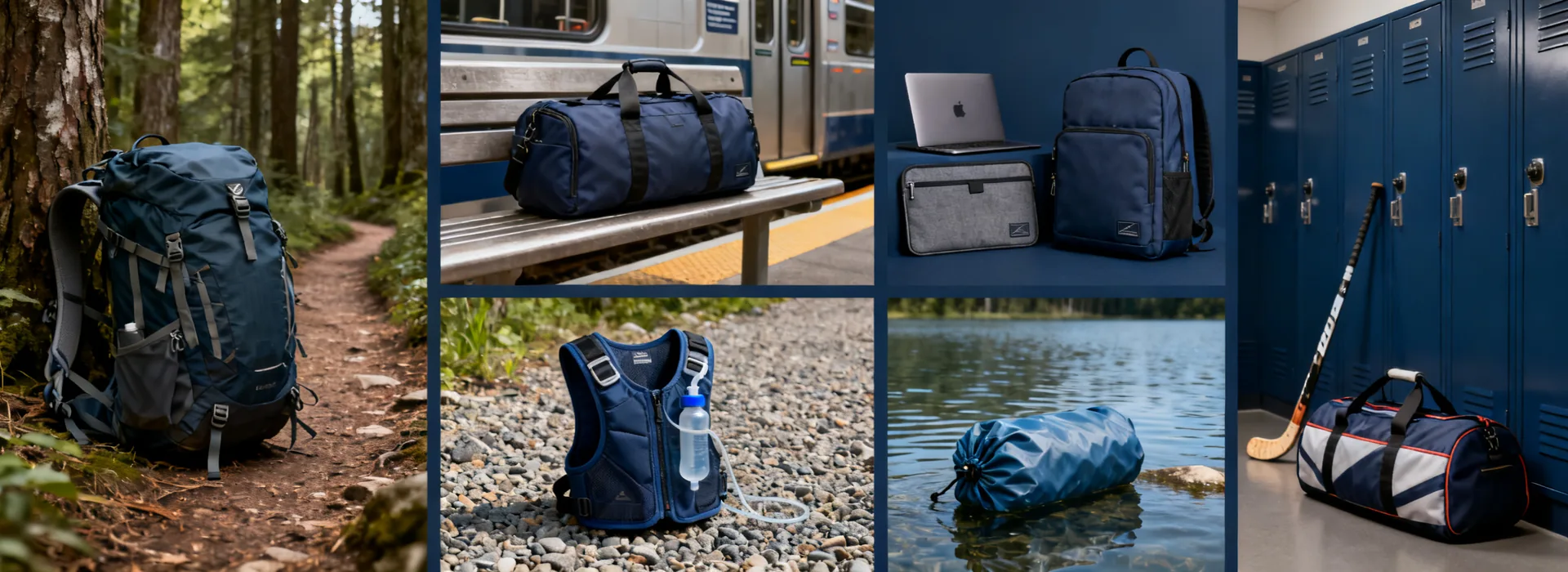
Activity collage of hiking, travel, commute, hydration, water and hockey-bag use
Activity verticals

Bauer applications for hiking, travel, hydration and hockey-bag channels

Each activity needs a different mix of capacity, access, harness stability and fabric exposure. Bauer writes those differences into the assortment so a trail SKU and a locker bag do not share the same claim set.

Activity grid

Six outdoor bag verticals plus the team-carry overlay

Use this grid to brief merchandising. Liter bands, access style and documentation needs change with the mission; copying one hangtag across all six verticals is how returns start.

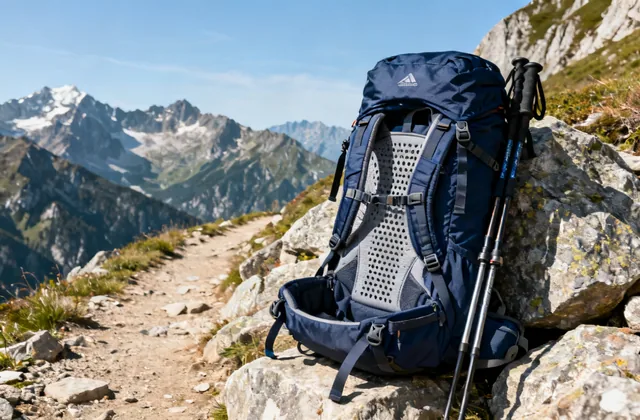
Hiking backpack on a trail

Hiking and backpacking

Multi-hour trail use needs load transfer to the hipbelt, a published torso window, rain-cover storage and liter splits from daypack to 65L. Hydrostatic-head values apply to coated bases; DWR on the lid is not a waterproof rating. Typical planning load is under 18 kg on framed packs.
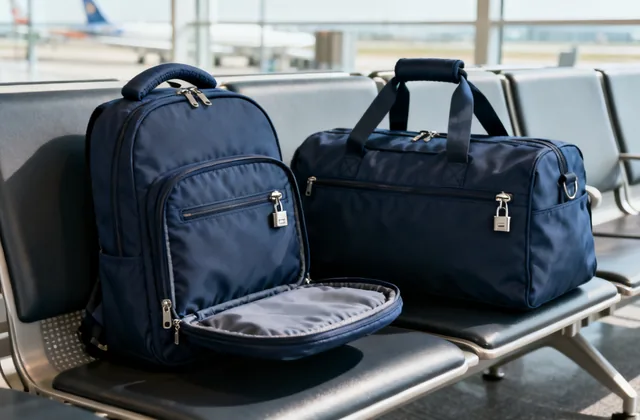
Travel backpack at a transit bench

Travel and luggage

Carry-on programs prioritize clamshell access, lockable zippers, padded handles and internal organization. Airport handling favors 420D-900D faces. These packs are not a substitute for a framed hiking stay, even when the liter number looks similar on a line sheet.

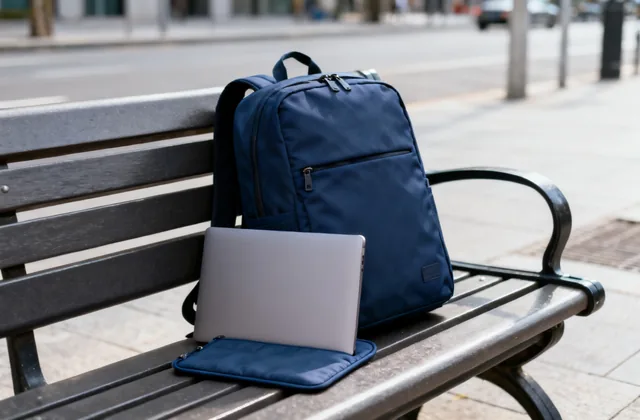
Commute backpack with laptop sleeve

Commute and campus

Daily carry wants a laptop sleeve, bottle pocket and abrasion resistance without trail-frame weight. Shoulder comfort still needs a stated strap foam spec. Corporate logo programs on this vertical follow the OEM print rules, not a locker-bag U-zip template.

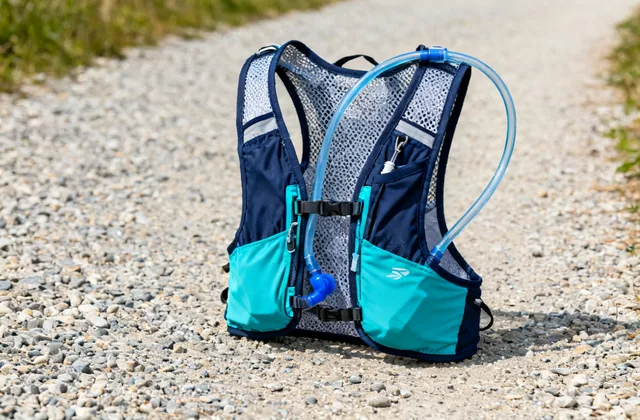
Hydration vest on a gravel route

Hydration and run

Vests and slim packs are judged on bounce control, 1.5-3.0 L reservoir routing, pocket reach and sternum adjustment. They are not rated for whitewater immersion or as personal flotation. Bite-valve and hose-port finishing stay on the inspection list because those are the leak points.

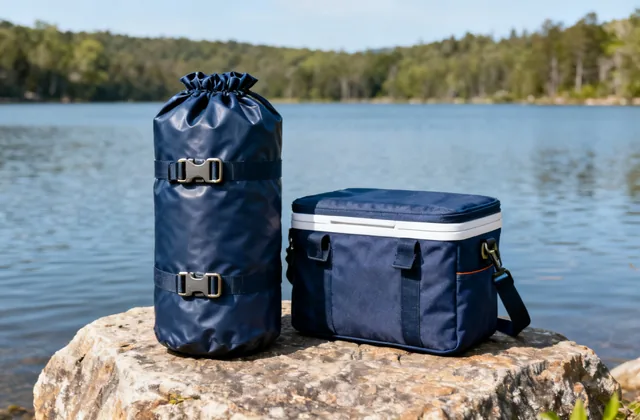
Dry bag and cooler bag near water

Water, dry-bag and cooler use

Roll-top dry bags and cooler bags need coated fabrics, stated hydrostatic head, drainage decisions and corrosion-aware hardware. A cooler bag is an insulation construction, not a hiking frame. Dealers should not promise submersion performance unless the SKU file lists a roll-top closure and a tested coating.

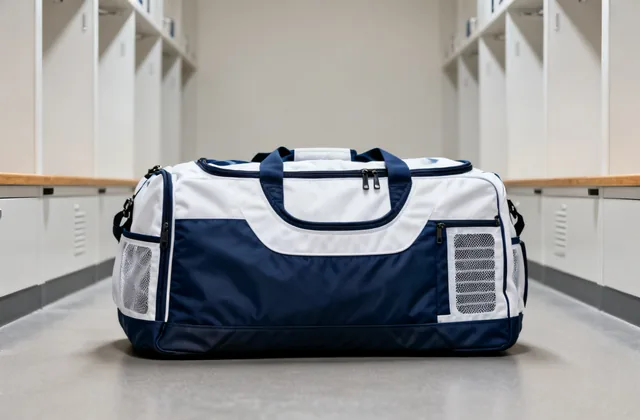
Hockey bag in a locker room

Team, hockey-bag and corporate channels

Club and corporate programs need stable naming, logo-zone planning, carton efficiency and color control. Hockey bags use sport-duffel geometry: reinforced base, U-zip, wet-gear vents. Bulk printing without a new inspection plan is limited to documented print zones; full-panel art resets the file.

Channel partner logic

One Bauer silhouette can serve several buyers only when the file stays split.

Retail buyers want hangtag-safe hydrostatic-head and capacity language. Wholesale teams need carton counts and replenishment codes. OEM contacts ask about MOQ, lab dips and print zones. Institutional athletic buyers care about hockey-bag lengths, numbering and delivery windows. Bauer keeps those conversations on the same SKU identity without copying trail-frame claims onto locker bags.

Program desk checkpoints

  • Activity and capacity matrix
  • Harness window versus hockey-bag length
  • Denier, coating and hydrostatic-head row
  • Nine stitch checkpoints and repair exclusions
  • Packaging, carton and print-zone notes
Match products to use cases

Send Bauer the activity mix and channel plan for the next bag range.

Include whether hockey bags, hydration packs or trail frames dominate the buy. The reply will narrow families, capacity spread and the documents that belong on that assortment.