Brand Logo
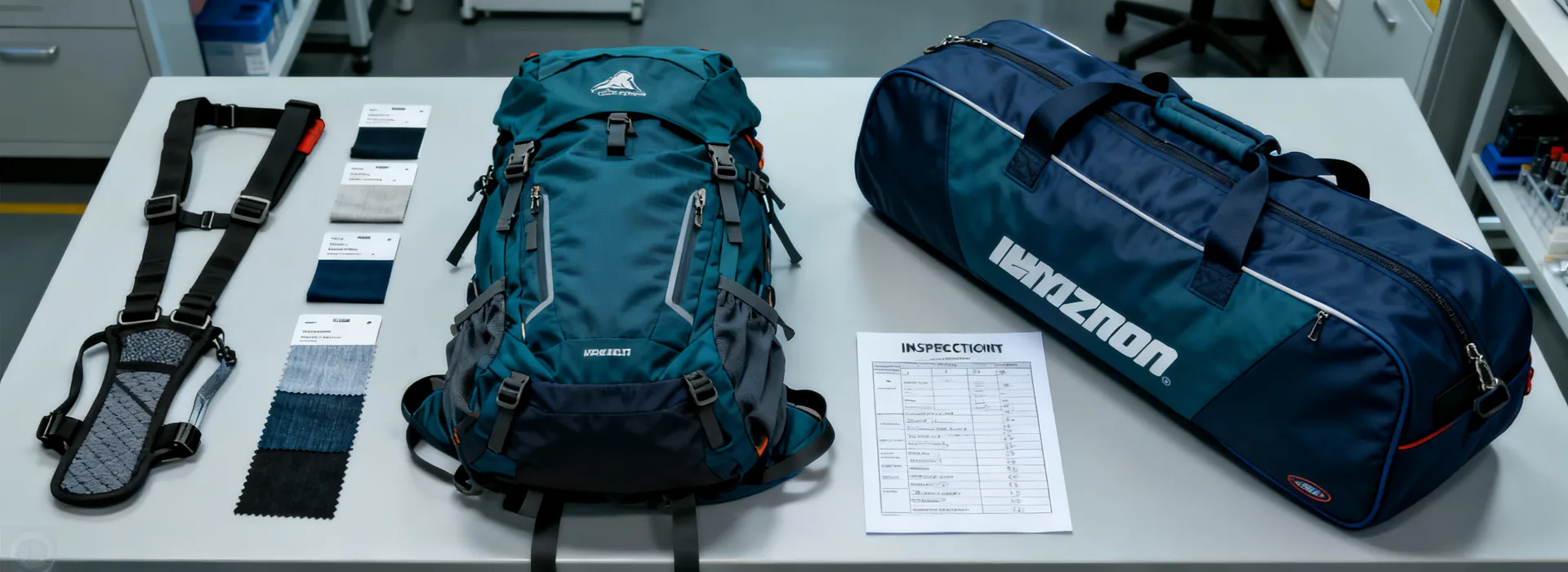
Bauer product engineers reviewing backpack and hockey-bag prototypes
About Bauer

Bauer builds outdoor bag programs around construction records, not trail slogans

The useful company story for a buyer is how fabric lots, harness windows, hockey-bag bases and inspection checkpoints stay attached to a SKU after the first sample is approved.

Vertical timeline

How Bauer pack documentation was assembled

Outdoor bags and sport duffels grew inside a larger equipment culture. The dates below mark when bag-specific records, not general brand history, became part of the buyer file.

2009

Sport-bag construction split from trail frames

Hockey bags and locker duffels received their own base-board, U-zip and ventilation notes so they would not inherit hiking-pack load-transfer language. That split still governs how Bauer writes SKU names for team channels.
2014

Hydration routing added as a measurable spec row

Reservoir sleeve volume, hose-port finishing and sternum stability were recorded beside denier, because run and bike buyers kept returning packs that bounced or leaked at the bite valve interface. Hydration SKUs remain excluded from whitewater claims.

2018

ISO 9001:2015 workflow mapped onto pack release gates

Corrective action, record control and sample-to-bulk comparison became named gates on the outdoor-bag file. Buyers who ask for ISO language receive the workflow note for this product type, not a generic certificate collage.

2021

Recycled ripstop offered as a separate BOM, not a silent swap

Sustainability requests can specify recycled-content face fabric. Bauer keeps that yarn on its own material card because abrasion and colorfastness results do not automatically transfer from virgin 600D-900D nylon used on hockey-bag bases.

2024

Nine-point stitch matrix published with repair exclusions

Haul loop, load lifter, hipbelt, compression bar tack and zipper-stop checks were listed beside the exclusion sheet for abrasion, chemicals and undocumented heat-press logos. The matrix is the current inspection baseline for trail and sport-bag programs.

Operating values

Three rules the Bauer pack desk will not compress

Measured carry

Comfort statements must point to torso window, hipbelt wrap, foam stack and ventilation channel. A daypack and a 65L framed pack do not share the same load number.

Separate constructions

Trail frames, hydration vests and hockey bags keep distinct BOMs. Mixing those files is treated as a documentation defect, not a merchandising shortcut.

Readable evidence

ISO 9001:2015, BSCI, OEKO-TEX and hydrostatic-head rows are supplied as named documents for the SKU under review, not as decorative badges on every page.

Technical roles

Specialists who keep a Bauer pack file coherent

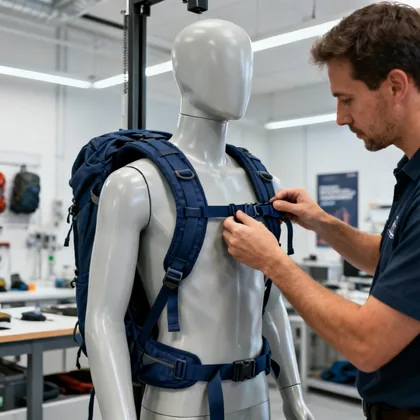
Carry-system specialist adjusting a harness

Carry-system lead

Validates torso window, hipbelt wrap and load-lifter geometry.

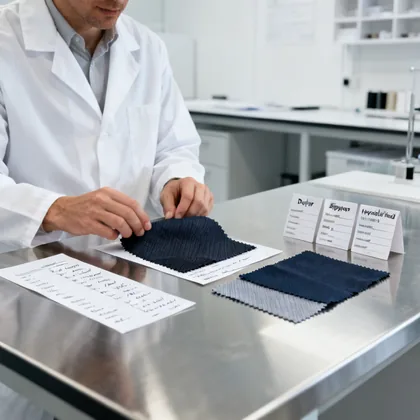
Textile specialist reviewing ripstop swatches

Material control

Holds denier, coating, foam, webbing and zipper gauge records.

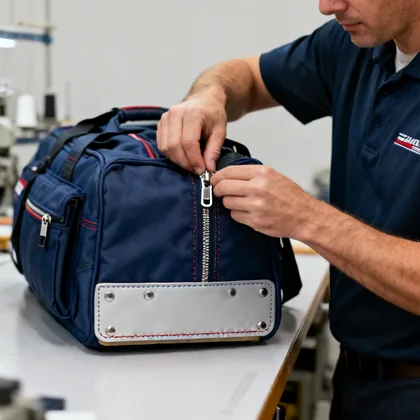
Inspection specialist checking hockey-bag base stitches

Inspection planner

Assigns the nine stitch checkpoints before bulk release.

Channel documentation specialist

Channel desk

Prepares dealer, wholesale, OEM and team response files.

Documented assurance

References Bauer attaches when a buyer asks for proof

ISO 9001:2015 amfori BSCI OEKO-TEX STANDARD 100 bluesign review Hydrostatic-head rows
Talk with the pack desk

Ask Bauer for the construction file behind a carry-system recommendation.

Share buyer role, activity mix and whether the request is stock or OEM. The reply can focus on harness windows, hockey-bag bases, textile lots or inspection gates.